Septic Services for New Homeowners: Where to Start


Buying a home with a septic system often comes with a strange mix of confidence and uncertainty. The house passed inspection, the yard looks fine, the toilets flush, and nothing smells off. That can make a septic system feel like one of those hidden mechanical features you can safely ignore until later.
That instinct is understandable, but it is rarely the best one.
A septic system is quiet when it is healthy. It does not demand attention the way a leaking roof or a noisy furnace does. Yet when something goes wrong, the cost, disruption, and health concerns can climb fast. For new homeowners, the smart move is not to panic or to overreact. It is to get oriented early, line up the right septic services, and learn how your particular system works before it gives you a reason to care.
The first year in a home is the easiest time to get ahead of septic issues. You are already collecting records, meeting local service providers, and figuring out the rhythms of the property. A little diligence here can save thousands later.
Start with the records, not the tank lid
Many homeowners assume the first step is digging up the tank and scheduling a pump-out. Sometimes that is appropriate, but not always. The better first step is paperwork.
Ask for every septic-related document that exists. That includes installation permits, system drawings, repair invoices, pumping records, inspection reports, and any notes from the previous owner. In some counties, the health department or building department can also provide permit history or an as-built drawing that shows where the tank, distribution box, and drain field are located.
This matters because septic systems vary more than many people realize. A simple gravity system behaves differently from a system with a pump chamber. An older steel tank presents different risks than a newer concrete or plastic one. Some homes have advanced treatment components, alarms, filters, or aerobic units that require more regular professional attention. If you do not know what is in the ground, it is hard to make sound decisions.
I have seen new owners spend money on unnecessary work simply because no one took ten minutes to identify the system type. I have also seen the opposite, where a buyer assumed they had a basic system and later found out there was a pump and control panel that had not been serviced in years. That kind of surprise tends to show up on a holiday weekend, during heavy rain, with a house full of guests.
If records are sparse, do not be discouraged. That is common, especially with older rural homes. You can still build a baseline with the help of a reputable septic contractor.
Find the components before you need them
One of the most useful things you can do as a new owner is learn where the system sits on the property. At minimum, you want to know the likely location of the tank, the access lids, and the drain field area. If there is a pump chamber, alarm, or effluent filter, you should know that too.
This https://rylanmnpz639.scriblorax.com/posts/septic-services-for-rural-homes-challenges-and-solutions is practical, not academic. When a service call becomes urgent, every hour spent hunting for buried lids adds labor and frustration. It also increases the odds of unnecessary digging in a landscaped yard. If the technician can walk onto the property and head straight to the tank, you save time and often money.
Drain field location matters just as much. You do not want to park heavy equipment there, build a shed over it, install a pool nearby without understanding setbacks, or direct roof runoff onto it. A healthy drain field needs the right balance of soil absorption and airflow. Compaction and chronic saturation work against both.
It is worth sketching a simple site map for your own files. It does not need to be fancy. Note approximate distances from fixed points like the house corners, driveway, or a large tree. Take photos while lids are exposed during service. That record becomes surprisingly valuable a few years later.
The first septic service call should establish a baseline
Once you have gathered what records you can and identified the system type as best as possible, schedule an initial visit with a qualified septic professional. For many new homeowners, this is the most important of all septic services because it turns guesswork into a maintenance plan.
The goal of that first visit is not just pumping. It is assessment.
A good contractor should be able to tell you the basic condition of the tank, whether the baffles appear intact, whether the tank size makes sense for the home, whether solids are at a level that justifies pumping, and whether there are signs of backflow or drain field stress. If the system includes a filter, that can be checked and cleaned. If there is a pump tank, floats, alarms, and controls can be tested.
If you bought the home recently and there was a transfer inspection, do not assume you can skip this step. Real estate inspections vary widely in depth and timing. Some are very thorough. Others are little more than snapshots. A system can pass a sale inspection and still need routine service or closer monitoring.
There is also a difference between a system that is functioning today and a system that has healthy margin for the next several years. Septic professionals who do service work every week get good at spotting that difference.
What a reputable provider should offer
Not every company that pumps tanks offers the same level of service. For a new homeowner, this is a place to be selective. You want more than a truck and a hose. You want judgment, communication, and a willingness to explain what they are seeing.
Here are the questions worth asking when you call:
- Do you provide pumping only, or also inspections, filter cleaning, repairs, and system locating?
- Are you licensed or certified as required in this area, and do you work on my specific type of system?
- Will you measure sludge and scum levels before recommending pumping?
- Can you document the visit with notes or photos so I have a baseline record?
- If you find a problem, do you explain repair options and urgency clearly?
That short conversation can tell you a lot. A strong provider will not sound annoyed by basic questions. They will usually ask a few of their own, such as the age of the home, number of occupants, whether there have been backups, and whether the system has been pumped before. Those are good signs.
Price matters, of course, but the cheapest septic service is not always the best value. A low-cost pump-out that misses a broken baffle, ignores a failing outlet tee, or leaves you with no clear maintenance guidance can become expensive later.
Pumping frequency is not one-size-fits-all
One of the most common questions from new owners is simple: how often should I pump the septic tank?
The honest answer is that it depends. Tank size, household size, water use habits, garbage disposal use, and system age all influence the interval. Many households fall somewhere in the two- to five-year range, but that is a broad rule of thumb, not a guarantee.
A couple living in a three-bedroom home with conservative water use may go longer than a family of five with frequent laundry loads and heavy kitchen use. A small tank can fill with solids much faster than owners expect. A vacation home may have long quiet periods and then sudden bursts of high use. All of those patterns matter.
This is why good septic services include measuring the accumulation of solids rather than blindly pumping on a fixed calendar forever. Over time, your service records will show your household’s real pace. That is much more useful than generic advice.
There is another practical point here. Pumping too late is obviously risky, but pumping far too often without need is not ideal either. It is unnecessary expense, and it can create a false sense that maintenance is being handled even if larger issues are developing elsewhere in the system.
Know what should never go down the drain
Septic systems rely on a living biological process. Wastewater enters the tank, solids settle, lighter materials float, and partially clarified effluent moves onward to the drain field. That process is sturdy, but it is not indestructible.
New homeowners often inherit habits from municipal sewer living that do not translate well. Products marketed as flushable are a classic problem. Many do not break down properly and can contribute to clogs. Grease is another frequent offender. It may leave the kitchen sink warm and liquid, then cool and accumulate where you do not want it. Harsh chemical dumping can also disrupt the tank biology, though the bigger day-to-day issue is often plain overloading rather than chemistry.
The system also sees every extra gallon of water you send through it. Long showers, leaking toilets, frequent back-to-back laundry, and sump or foundation drains improperly tied into household plumbing can push more volume into the system than it was designed to handle. Septic trouble is not always about solids. Sometimes it is simply too much water too fast.
One homeowner I knew had recurring wetness near the drain field and feared a complete field failure. The actual culprit was a silent toilet leak in a guest bathroom that had been running for weeks. The repair cost was minor. The potential damage from ignoring it would not have been.
Landscaping, vehicles, and the hidden damage people cause by accident
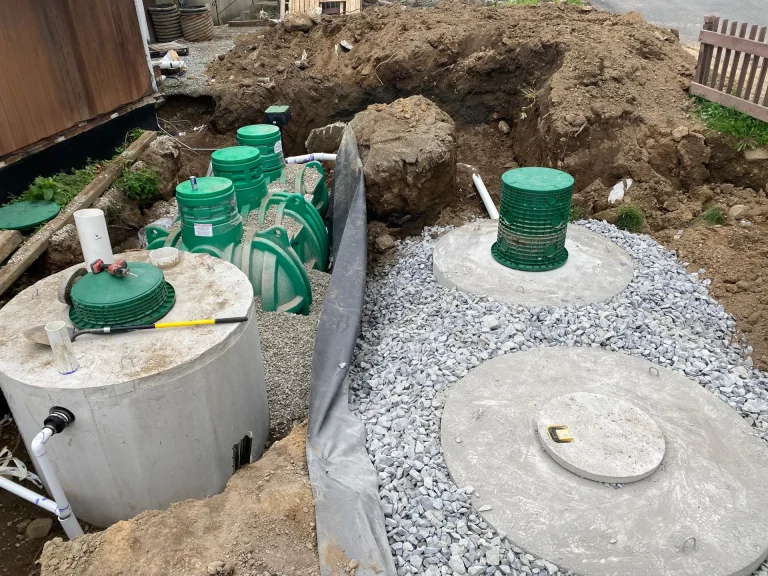
Septic systems suffer from a lot of well-intended abuse. A yard project is planned, a truck gets parked in a convenient spot, a new tree goes in to provide shade, and months later someone is paying for repairs.
The drain field and tank area should be treated with some restraint. Heavy vehicles can compact soil or damage buried components. Deep-rooted trees and aggressive shrubs can seek out moisture and invade pipes. Additional soil fill over a field can alter oxygen exchange and drainage characteristics. Even decorative landscaping choices can make service access harder and more expensive.
Grass is usually the safest cover over the drain field. It helps control erosion without causing root problems. If you want a prettier area, discuss options with a local septic professional who understands your soil and climate. Advice that works in one region does not always carry cleanly into another.
It is also wise to keep roof drains, surface runoff, and irrigation from saturating the field area. A drain field is meant to process wastewater, not stormwater. If that area stays wet after every heavy rain, the system may struggle even if the tank itself is fine.
Watch for subtle early warnings
Most septic failures do not begin with a dramatic eruption in the yard. They start with small changes that homeowners explain away.
The toilets may flush a little slower. A shower may gurgle once in a while. There may be a faint odor outdoors in warm weather near the tank or field. The grass over one section may suddenly grow taller and greener than the rest. None of these signs proves the same problem every time, but they should prompt attention.
A few warning signs deserve prompt professional evaluation:
- Sewage odors inside the home or concentrated near the septic area
- Slow drains in multiple fixtures, especially if the problem appears all at once
- Wet, spongy, or unusually lush patches above the drain field
- Alarm sounds or warning lights on systems with pumps or advanced treatment units
- Backups into tubs, showers, or basement fixtures
When homeowners respond early, they often have more options. A clogged filter, a pump issue, or a tank overdue for pumping is a very different situation from a drain field that has been overloaded for years.
If the house has an advanced or alternative system, the rules change
Some properties do not have the simple, conventional setup many people picture. Depending on lot size, soil conditions, water table, and local regulations, a home may have an aerobic treatment unit, mound system, sand filter, pressure distribution, or another alternative design.
These systems are not bad news, but they do require more intentional maintenance. In many areas, they also require service agreements, periodic inspections, or reporting. A new owner should find out quickly whether local rules apply. Missing required service can create permit or resale complications later.
The maintenance itself also tends to be more technical. Pumps, blowers, floats, electrical controls, and treatment components all need routine checks. The upside is that these systems are often designed to solve site limitations that a standard drain field could not handle. The trade-off is more moving parts and less room for neglect.
If your home has one of these systems, make sure the septic services company you hire works on that exact type. General familiarity is not enough. Experience matters.
Budgeting for septic without overreacting
Homeownership already comes with plenty of maintenance costs, so it is natural to ask how septic fits into the budget. The best approach is to think in layers.
Routine service costs are usually manageable and predictable. Pumping, inspection, and filter cleaning are part of normal ownership. Repairs can range from modest to substantial depending on the problem. A lid replacement or outlet repair is one category of expense. Drain field rehabilitation or full replacement is another entirely.
The mistake I see most often is homeowners doing no budgeting because the system seems invisible. Then when a needed repair appears, it lands as a complete surprise. Setting aside funds annually for septic care is a practical habit, especially if the system is older or record history is thin.
It also helps to be realistic about timing. If you buy a house and know the system is twenty-plus years old, original, and lightly documented, that is not an emergency by itself. Plenty of older systems continue to perform well. But it does justify closer monitoring and a stronger reserve fund.
Build a relationship before there is a problem
The best time to find your septic company is before sewage is backing up into the shower.
That sounds obvious, yet many homeowners wait until a crisis. At that point, they are calling whoever answers the phone first, paying emergency rates, and trying to explain a property they barely understand. A non-emergency service visit early on lets you ask questions, understand the provider’s style, and establish a record.
A contractor who has already seen your system can often troubleshoot faster when something changes. They may know, for example, that your tank is deeper than average, that the field is on the far side of a slope, or that the system includes a filter homeowners often forget about. That familiarity has real value.
Good septic services are not just about pumping waste out of a tank. They are about preserving function across the whole system over time. For a new homeowner, that shift in mindset is the real starting point.
A sensible first-year plan
The first year with a septic system does not need to be complicated. It just needs to be deliberate. Collect records. Confirm the system type. Locate the major components. Schedule an initial professional assessment. Follow the maintenance guidance that fits your household rather than a generic rule. Pay attention to water use, drainage patterns, and small warning signs.
Once those basics are in place, septic ownership usually becomes much less mysterious. You stop seeing the system as a buried liability and start treating it like any other core part of the house, one that works well when it is understood, respected, and maintained on its own terms.
For new homeowners, that is where to start, not with fear, not with guesswork, and not with the assumption that silence means certainty. A septic system rewards informed attention. In my experience, that attention pays for itself many times over.
Excavating New Jersey LLC
Address: 406 County Rd 565, Wantage, NJ 07461
Phone number: +19737914284
FAQ About Septic Services
What is the average cost to get a septic tank emptied?
Emptying a septic tank costs between $290 and $560 on average, with most homeowners paying about $420. Prices vary based on tank size.
What is septic service?
Septic service inspects, pumps, cleans, and maintains a septic tank. A septic tank is a large, underground container that collects and treats wastewater from your home. Over time, sludge, scum, and other debris, like hair and solids, can build up in your tank and clog your drain field.
How often should you have a septic tank serviced?
A standard septic tank should be inspected every 1 to 3 years and pumped every 3 to 5 years. However, the exact schedule depends on your tank's capacity, household size, and daily water usage.